Weird, Wonderful, and Wildly Creative: 7 Unexpected Spaces That Sparked Unforgettable Performances
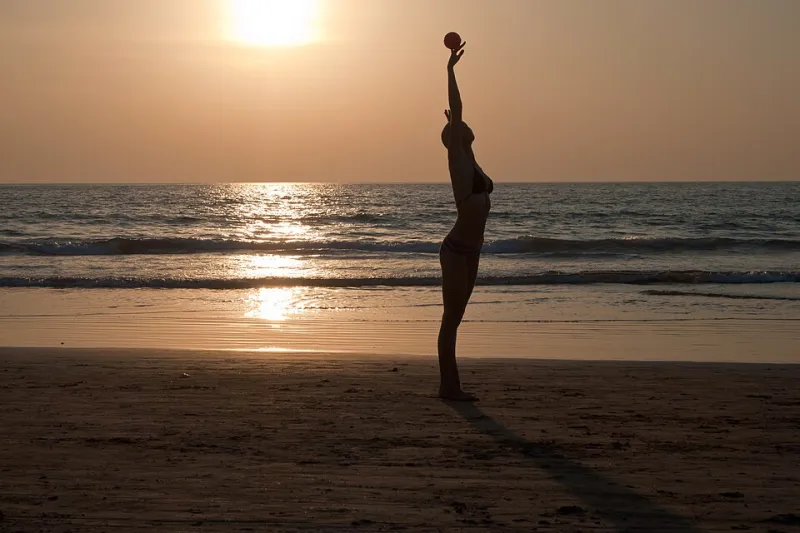
Photo: Vyacheslav Argenberg, CC BY 4.0, via Wikimedia Commons
There's something about a blank white studio or a perfectly lit stage that can actually work against creativity. Too clean. Too expected. Too easy to disappear into the routine of what a performance is supposed to look like. Some of the most electric, boundary-pushing creative moments in entertainment history happened not in purpose-built venues but in the kinds of places that had no business being the backdrop for anything artistic — and yet somehow were absolutely perfect.
We went deep on seven spaces that broke the mold and sparked something genuinely unforgettable. Get ready to rethink where creativity actually comes from.
1. Rooftops: Where the Sky Becomes the Stage
You can't talk about rooftop performances without going straight to The Beatles' surprise concert on top of Apple Corps headquarters in London in January 1969. It was spontaneous, slightly chaotic, and ended when the police showed up — and it became one of the most iconic moments in rock history. The wind in the microphones, the crowd gathering in the street below, the whole thing feeling like it could fall apart at any second — all of that was the performance.
American artists have carried that energy forward in interesting ways. Rooftop sessions have become a staple of the YouTube music documentary world, with artists from indie folk singers to hip-hop producers using urban skylines as their visual backdrop. There's something about being elevated above the noise of the city that strips away pretense. You're exposed up there. And that vulnerability tends to produce something real.
2. Converted Warehouses: Industrial Grit Meets Pure Expression
Detroit has a long and well-documented relationship between abandoned industrial space and explosive creative energy. When the auto industry hollowed out entire neighborhoods in the 1980s, artists and musicians moved into the empty warehouses and turned them into venues, studios, and galleries. The techno movement that came out of Detroit — one of the most influential musical exports America has ever produced — was born in spaces that smelled like motor oil and echoed like cathedrals.
That aesthetic has spread everywhere. Warehouse raves in Brooklyn, converted factories in Chicago's West Loop, repurposed textile mills in the Carolinas — there's something about the rawness of industrial architecture that gives performers permission to be equally raw. The high ceilings, the exposed brick, the imperfect acoustics that force you to project differently — it all adds up to an environment where conventional performance rules don't apply.
3. Open Fields and Farmland: When Nature Sets the Stage
Woodstock is the obvious reference point, but the relationship between open land and transformative performance goes way deeper than that one festival weekend in 1969. Bonnaroo in Tennessee, Coachella in the California desert, Lollapalooza spread across Chicago's Grant Park — American festival culture has consistently proven that something shifts when you take music outside and surround it with sky and dirt and the kind of space that makes you feel small in the best possible way.
But it's not just about scale. Some of the most intimate creative breakthroughs happen in small outdoor settings — a back porch jam session that turns into a whole album's worth of material, a songwriter who writes their best work sitting in a field with nothing but a guitar and the sound of wind in the trees. Nature has a way of quieting the internal critic and letting the actual creative impulse through.
4. Dive Bars and Tiny Clubs: The Pressure Cooker Effect
Ask almost any major touring musician where they figured out who they were as a performer and they'll tell you it was playing to 15 people in a bar that smelled like stale beer on a Tuesday night. There's a particular kind of creative crucible that only exists in small, low-stakes, slightly grimy venues — the kind where you're close enough to the audience to see their faces and you have to earn their attention because they didn't necessarily come to see you.
The legendary venues in this category have almost mythological status in American music culture. CBGB in New York. The Troubadour in Los Angeles. The 9:30 Club in Washington, D.C. These aren't just rooms — they're pressure cookers where raw talent gets shaped into something stageable. Countless artists who went on to fill arenas spent years being humbled and sharpened in spaces exactly like these.
5. Libraries and Museums: When Silence Becomes a Creative Constraint
This one might surprise you, but hear us out. A growing number of artists — visual, musical, and performance-based — have used the specific atmosphere of libraries and museums as a creative challenge. The enforced quiet, the weight of history, the sense that you're surrounded by accumulated human knowledge — it changes how you approach creative work.
Several notable musicians have recorded albums or filmed performance pieces in library settings, leaning into the contrast between the silence of the space and the sound they're creating. The Metropolitan Museum of Art in New York has hosted everything from chamber music performances to contemporary dance, and artists consistently report that performing in the presence of centuries-old art does something to their sense of scale and intention. It makes the work feel both more significant and more humble at the same time.
6. Moving Vehicles: Creativity in Transit
There's a whole genre of music video and live performance content built around the idea of performing in a moving car, subway train, or bus — and it's not just a gimmick. NPR's Tiny Desk Concerts and similar formats have proven that constraint breeds creativity, and few constraints are as interesting as a moving vehicle with limited space and unpredictable acoustics.
The intimacy of a car, specifically, has produced some genuinely stunning moments. Carpool Karaoke turned into a cultural phenomenon not just because it was funny but because something about being in a car with someone loosens people up. The casual, slightly confined setting strips away the performance armor and you get something closer to the real person. For artists especially, that realness translates into creative gold.
7. The Internet Itself: The Most Unconventional Venue of All
Okay, hear us out on this one. The internet isn't a physical space, but it has absolutely become a creative venue in its own right — with its own acoustics, its own energy, its own unexpected moments that nobody planned for. A bedroom livestream that breaks the internet. A TikTok duet that evolves into a genuine artistic collaboration between two people who've never met. A Discord server where a fanbase co-creates something with the artist in real time.
Some of the most memorable creative moments of the last five years didn't happen on a stage or in a studio. They happened in the weird, democratic, slightly chaotic space of online community — and the artists who leaned into that, who treated the internet as a genuine creative environment rather than just a promotional tool, produced work that connected in ways that traditional venues simply couldn't replicate.
The takeaway from all seven of these spaces is the same: creativity doesn't need the right conditions. It needs the interesting ones.
